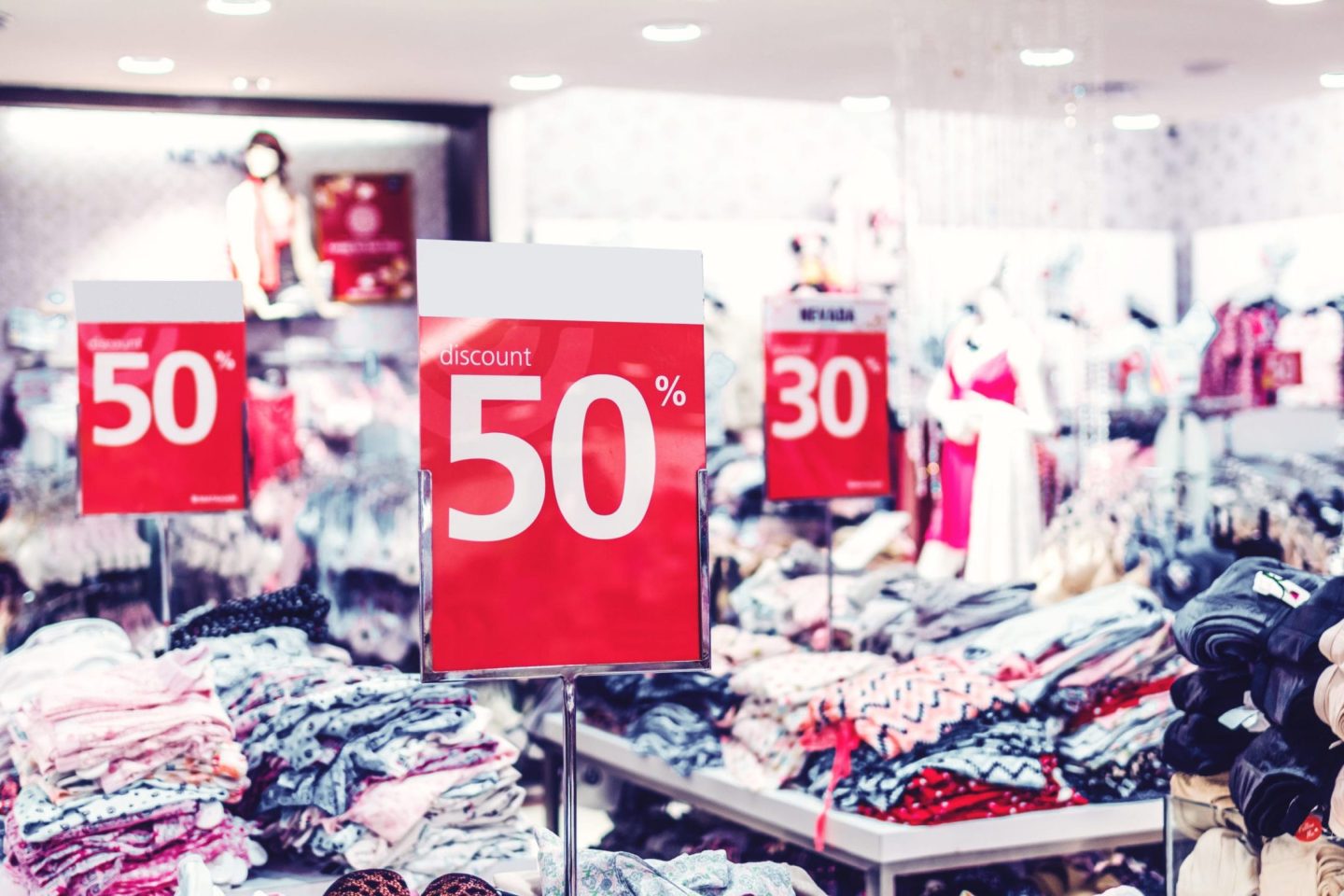
The fashion industry is changing, and it’s changing rapidly, faster than ever expected. Now that social media is so prevalent, TikTok has started to accelerate how quickly we consume and move on from trends, causing the stages of the “trend cycle” to transition faster than ever. While this gives people more flexibility in what they wear, there are still some significant flaws to these fast fashion-fueled trends.
Despite the negative effects, many people choose to buy fast fashion because of the cheap price tag and ease of buying. Most commonly, people buy what they see on TikTok. They are persuaded by micro-trends and popular influencers that make the item of clothing seem more appealing. When users go through your suggested videos on TikTok’s “for you page”, you will see trends that existed 10 or 50 years ago, meaning that whatever is trending now or today was trending in the past. When trends happen, fast fashion companies feed into that trend making more clothes that fall into it, making people want to buy them more because they are cheaper and more accessible. Fashion repeats itself, and styles that were popular years ago come back around. Since a trend existed before, you don’t have to rely on fast fashion companies to find the garments of a particular style because you can find them in a thrift store. Mrs. Savage, Jemicy’s fashion design teacher states, “With the broadening of trends, people can wear things that are flattering to their body types in that sense, but I also think that because we are recycling trends over and over again, people are wearing things that I wore in high school and because of that, a lot of things can be thrifted.” Regardless of the recurring trends making clothing more accessible, fast fashion still consistently plays a role in what people purchase. Mrs. Savage also told me, “Fast fashion is an environmental tragedy. It’s a symptom of our society’s sickness where we’re told we have to consume and we have to have more things.” Fast fashion exponentially alters the mass production of clothing.
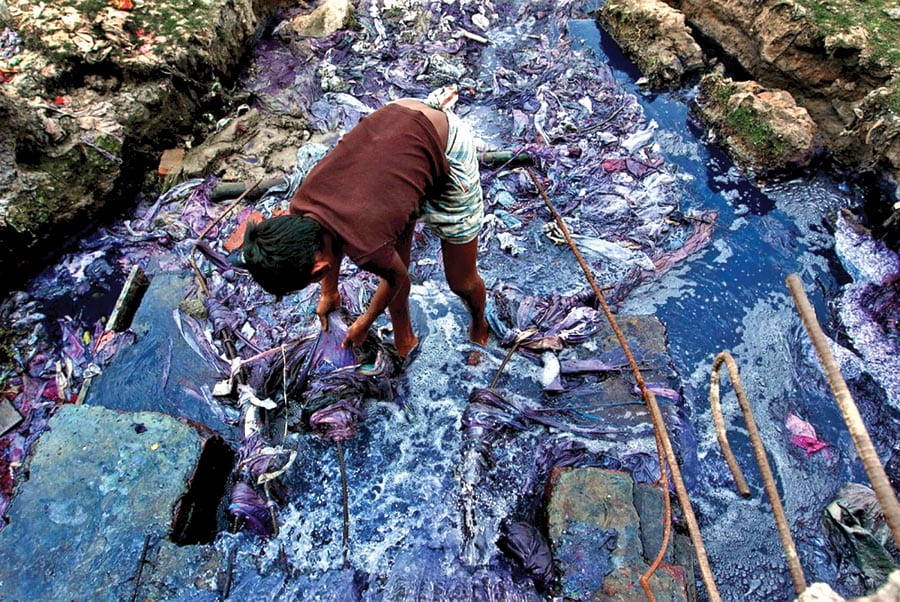
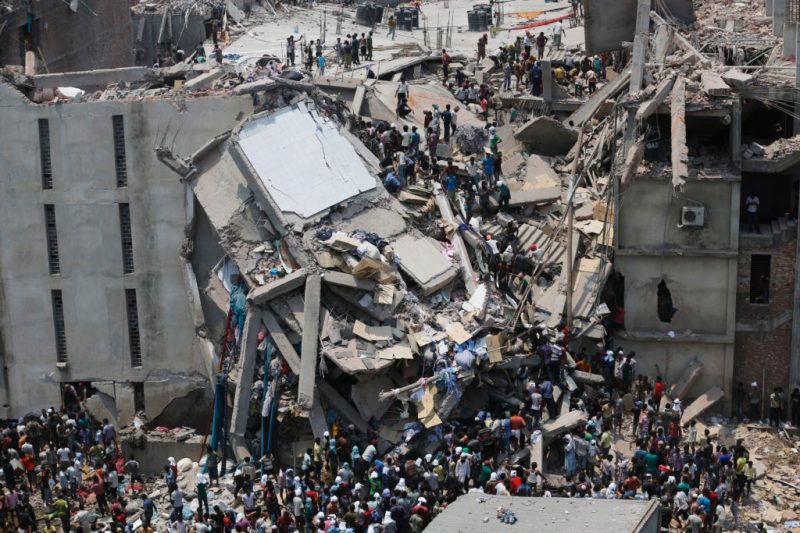
What exactly is “Fast Fashion”? And why is it so relevant in the fashion industry? Fast fashion is the production of cheap yet trendy clothes, primarily deriving from celebrity culture or items featured on catwalks. “Fast fashion is like cheap calories,” states Mrs. savage; people constantly want to consume. Producers of these garments work at breakneck speed to meet consumer demand through every passing trend. Although fast fashion makes garments more accessible to its customers, these pieces of clothing are mass-produced and apply significant damage to the environment. Considering they aren’t built to last and quickly go out of style, people discard the cheap apparel leading them to pile up in landfills. According to treehugger.com, the use of cheap, toxic textile dyes is a major contributor to clean water pollution. The same article also reveals that the textile industry is the second largest worldwide water polluter after the agriculture industry. This industry is estimated to be responsible for about 20% of global clean water pollution due to the dyeing and finishing of products. The washing of synthetics releases approximately 0.5 million tonnes of microfibres annually into the ocean. In addition to the environmental effects of the textile industry, fast fashion also sparks many ethical concerns. For starters, these garments are mainly made in sweatshops run by underpaid workers operating in unsafe conditions for long hours. These people are often exposed to toxic chemicals which proves the dangerous effects of textile production on people’s health. Fast fashion plays a vital role in the fashion industry, sadly making it exponentially harder to eliminate its harmful effects.

Although fast fashion is a significant problem in the world, you individually can still make a difference. Instead of buying into fast fashion, consider thrifting because it can offer higher quality clothes at a lower cost while causing less harm to workers or the environment. If you decide to buy into fast fashion, consider whether you would still wear the garment after the trend has passed or whether its sustainability is worth its price. Ask yourself; whatever I buy, do I intend for it to last? How many ways can I style it, or does it just go with a few outfits? As I previously stated, there are many alternatives to fast fashion that can improve your wardrobe as well as help you spend less money. For instance, there are many sites you could buy from that use sustainable materials such as Poshmark, Therealreal, and Mercari. For example, you could buy items from small businesses; whether you’re buying something trendy or timeless, you still receive what you intended to buy while minimizing environmental and ethical damage. Overall, it is crucial to consider the effects your purchasing decisions have.
The faster the fashion style, the larger amount of waste is produced constantly. With everything speeding up, will the fashion industry become more harmful to both people and the environment? Even though some may treat these inexpensive garments not as fast fashion but as something worn consistently, it still cannot cancel this mass production industry’s detrimental effects. Whether fast fashion dies out or becomes more popular, one thing is for sure, we cannot precisely predict what will happen, but we can hope that things take a turn for the better.
 MOOSE PRINTS
You must be logged in to post a comment.